What A Safety Audit Examines
A health and safety audit examines how your business manages risk, rather than looking only for visible defects. We compare the arrangements described in your documents with evidence from records, discussions and a workplace visit. The scope is agreed so you know which parts of the operation have been examined.
An audit may cover responsibilities, risk assessment, staff instruction, contractor control, incident reporting and follow-up actions. It can also examine how managers check that controls remain effective. The emphasis is on whether the system supports safe work when the business is busy or circumstances change.
A walk-through inspection is useful, but it is narrower than a management audit. A clear access route on the day does not show how obstructions are reported or who deals with them. We look for the connection between a policy statement, a responsible person and evidence of routine action.
When An Audit Is Useful
An audit can help a facilities manager taking over a building, a contractor preparing for a client review or a manufacturer evaluating existing arrangements. It is also useful after organisational change, an incident or the opening of another site. The right starting point is a defined business question.
HSE guidance in Managing for health and safety, HSG65, describes a Plan, Do, Check, Act approach. An audit can contribute to the checking and review of your arrangements. It is a management tool and does not replace the risk assessments or specialist examinations your operations may require.
A general consultancy audit is not certification or regulator approval. If a customer requires evidence against a particular standard or procurement scheme, share the actual requirements before booking. The audit criteria and the limits of the report must be explicit from the outset.
How The Audit Is Carried Out
We first establish the premises, departments and management processes included in the audit. A document request can be agreed in advance so that managers are not trying to locate records during the visit. Samples should reflect your operation rather than whichever folder happens to be easiest to find.
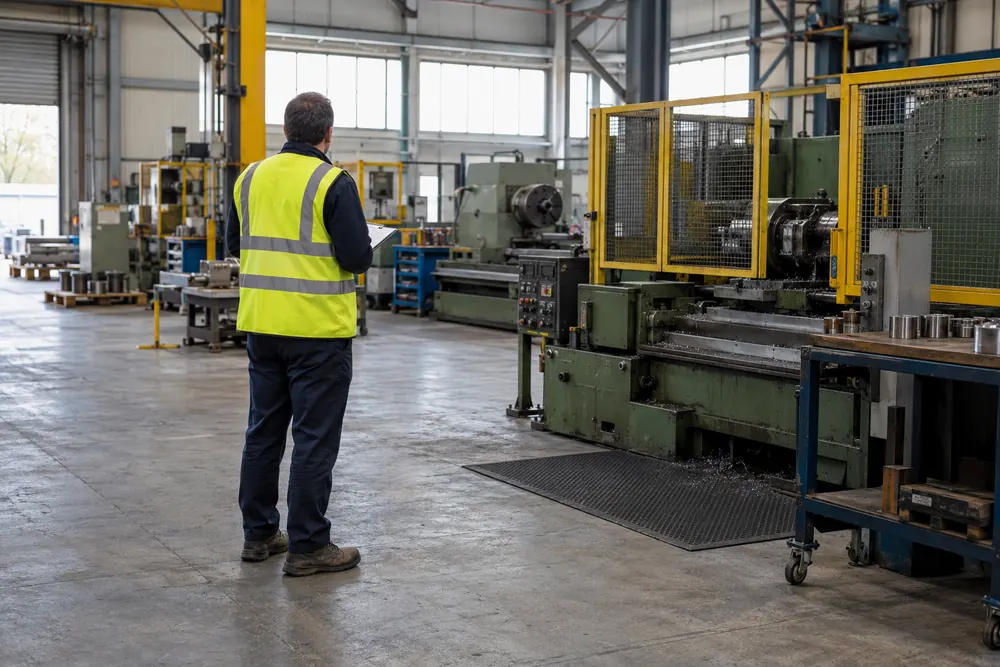
During the visit, we speak with relevant managers and staff, look at work areas and follow selected examples through the system. For instance, an equipment concern may be traced from its first report through the decision, repair and return to use. This helps reveal whether responsibilities are understood.
Findings are discussed before the report is finalised, allowing factual errors and missing evidence to be resolved. The report distinguishes observations, underlying weaknesses and required actions. Recommendations should be proportionate to risk and specific enough for someone to take ownership.
Turning Findings Into Improvements
An audit is useful only if the findings lead to decisions. Ask for actions that identify the issue, the expected outcome and an appropriate owner. Separate urgent controls from improvements that need planning, procurement or a change in supervision.
Your management team remains responsible for deciding resources and implementing controls. A follow-up review can check completion against evidence rather than relying on a ticked spreadsheet cell. Photographs, revised instructions and records of staff briefings can form part of that evidence where appropriate.
Audit fees depend on premises size, the agreed criteria, document quality and the amount of sampling needed. Multiple locations, shifts or departments can change the scope. Tell us whether you need a baseline review, a targeted investigation or a follow-up check so the quotation matches the decision you need to make.
Questions About Safety Audits
Is A Safety Audit The Same As An Inspection?
A safety audit examines management arrangements and the evidence that they work, while an inspection usually focuses on conditions and activities at a particular time. The two can be combined within an agreed assignment. Tell us whether you need a general management review, a premises inspection or a check of specific controls.
Does An Audit Give Us A Compliance Certificate?
A health and safety audit does not automatically give your business a compliance certificate or external accreditation. It provides findings against the agreed scope and criteria. Where a client requests a particular assessment or certification, share the requirement so that the correct route can be identified before any work is commissioned.
For wider support, speak to our health and safety consultants Birmingham about the activities and premises involved.
Request A Scope Discussion